May Birthstone Guide: Emerald Meaning, Quality, Value, and Buying Tips

What Is May’s Birthstone?

The official birthstone for May is the emerald, one of the most recognizable and historically significant gemstones in the world. Known for its vivid green color and exceptional rarity, emerald belongs to the beryl mineral family and has been prized for thousands of years by royalty, collectors, and jewelry lovers alike.

Emerald is considered one of the “Big Four” precious gemstones, alongside diamond, ruby, and sapphire. Its longstanding popularity comes from a combination of beauty, symbolism, rarity, and the unique depth of color that few other gemstones can match.

For those born in May, emerald represents renewal, vitality, and growth, making it a meaningful choice for birthstone jewelry.

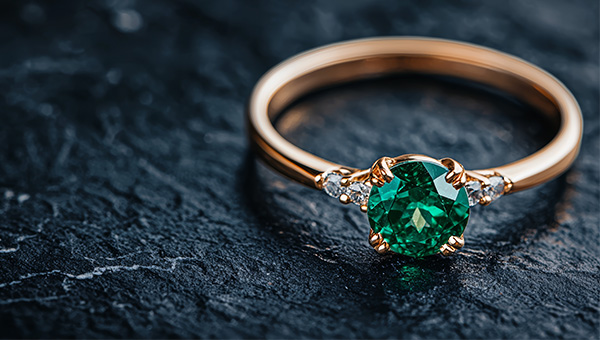
a close up image of an emerald ring on a rock textured table

Why Is Emerald the Birthstone for May?

Emerald has been associated with the month of May for centuries because of its connection to spring, renewal, and flourishing life. Its deep green color naturally reflects the season’s themes of growth and transformation.

Ancient civilizations believed emerald possessed protective and healing qualities. The ancient Egyptians, including Cleopatra, famously prized emeralds and associated them with eternal youth and rebirth. In Roman culture, emerald was connected to Venus, the goddess of love and beauty.

These historical associations eventually helped establish emerald as May’s official birthstone, symbolizing harmony, wisdom, hope, and emotional balance.

What Gives Emerald Its Green Color?

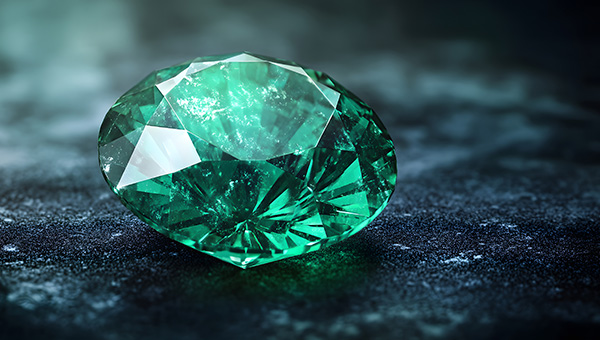
Emerald’s signature green color comes from trace amounts of chromium and vanadium present during the gemstone’s formation.

What makes emerald especially fascinating is that slight variations in these trace elements can create noticeably different shades of green. Some emeralds display bluish-green undertones, while others appear more purely green.

The most valuable emeralds exhibit a vivid, saturated green with strong color consistency throughout the stone. If the color becomes too pale, the stone may be classified simply as green beryl rather than emerald. If it becomes too dark, it can lose the brilliance and transparency that make emerald so desirable.

Color is the single most important factor when evaluating emerald quality.

How Emerald Quality Is Evaluated

Unlike diamonds, which are heavily graded for clarity and brilliance, emeralds are judged primarily by their color.

The finest emeralds display rich saturation, balanced tone, and even color distribution. Clarity is still important, but emerald buyers should understand that inclusions are expected and often accepted as part of the gemstone’s natural identity.

These inclusions are commonly referred to as “jardin,” the French word for garden, because they often resemble moss-like or branch-like internal patterns.

A completely flawless emerald is exceptionally rare. In fact, if an emerald appears perfectly clean, it often warrants closer inspection, as this can indicate synthetic origin or extensive treatment.

Cut also plays a significant role in emerald quality. Emeralds are frequently shaped into the classic emerald cut because its rectangular facets protect the stone from unnecessary pressure while maximizing color visibility.

Carat weight matters as well, but larger emeralds increase dramatically in value only when they retain excellent color and reasonable clarity.

Are Emeralds Durable Enough for Everyday Wear?

This is one of the most common questions buyers ask, and the answer requires some nuance.

Emeralds rank between 7.5 and 8 on the Mohs hardness scale, which means they are relatively resistant to scratching. However, hardness only measures scratch resistance—not overall toughness.

Emeralds naturally contain inclusions, and those internal characteristics can make them more vulnerable to chipping or cracking under impact.

This means emerald jewelry can absolutely be worn regularly, but it requires thoughtful handling.

An emerald ring worn every day should ideally feature a protective setting that shields the edges of the stone. Lower-profile settings are generally safer than elevated designs that expose corners and edges.

For buyers seeking low-maintenance jewelry for constant wear, emerald pendants and earrings are often safer long-term choices than rings.

Why Are Most Emeralds Treated?

One of the most important things buyers should know is that most natural emeralds undergo treatment.

The most common enhancement involves filling surface-reaching fractures with oils or resins to improve clarity and appearance. This is considered standard practice in the gemstone industry.

Treatment does not make an emerald fake, but it does affect care requirements.

Because these enhancements can degrade over time, emeralds should not be exposed to ultrasonic cleaners, steam cleaning, or harsh chemicals.

A reputable jeweler should always disclose any treatments and explain what they mean for long-term maintenance.

Where Do the Best Emeralds Come From?

Emerald origin can influence both value and appearance.

Colombian emeralds are widely regarded as the most desirable due to their exceptional color and transparency. Their vivid green tone often serves as the benchmark for premium emerald quality.

Zambian emeralds are also highly respected and tend to display slightly darker, bluish-green hues with excellent clarity.

Brazilian emeralds are generally more abundant and often appear lighter in color, making them a popular option for buyers seeking value.

While origin matters, the individual quality of the stone is often more important than where it was mined.

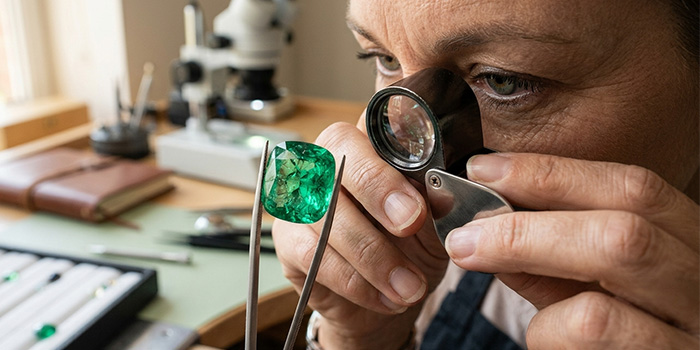
a close-up image of a gemologist using reverse tweezers and a loupe to inspect a emerald

Emerald vs Diamond: Which Is Better?

Emerald and diamond serve very different purposes in fine jewelry.

Emerald is chosen for color, individuality, symbolism, and rarity. It offers a distinctive aesthetic that stands apart from traditional white gemstones. Diamond is prized for durability, brilliance, and versatility. It is significantly harder and better suited for daily wear without concern.

For buyers who value emotional meaning and vibrant color, emerald is often the more compelling choice. For those prioritizing practicality and resilience, diamond may be the better fit.

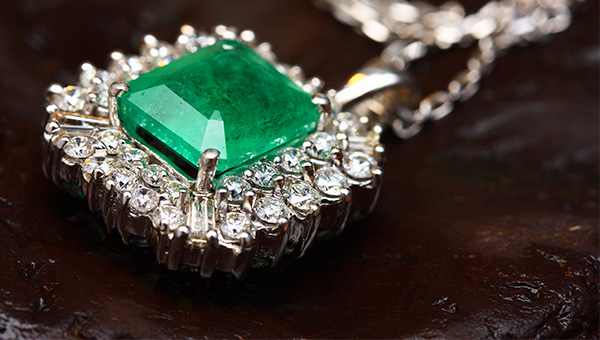
Many of the most beautiful jewelry designs combine emeralds with diamonds, balancing color with brilliance and adding structural protection to the emerald.

How Should Emerald Jewelry Be Cared For?

Emerald jewelry requires more careful maintenance than many other gemstones.

Cleaning should always be done gently using warm water, mild soap, and a soft cloth or brush. Professional inspections are important to ensure the setting remains secure and to monitor the condition of any clarity enhancements.

Emerald jewelry should be stored separately from harder gemstones like diamonds to prevent scratching. It should also be removed before exercise, swimming, cleaning, or any activity that risks impact or chemical exposure.

With proper care, emerald jewelry can remain beautiful for generations.

Is Emerald a Good Gift for a May Birthday?

Emerald is one of the most meaningful birthstone gifts available.

Its connection to renewal, growth, wisdom, and love gives it emotional significance beyond its beauty. An emerald gift can feel highly personal, especially when selected thoughtfully based on the wearer’s lifestyle.

For someone who appreciates color, rarity, and symbolism, emerald is an exceptional choice. When chosen with care and properly maintained, emerald jewelry often becomes a treasured heirloom.

Why Emerald Stands Out Among Birthstones

Emerald remains one of the most iconic and historically significant gemstones in fine jewelry. Its status as May’s birthstone is rooted in centuries of symbolism tied to renewal, abundance, and vitality.

What makes emerald especially appealing is the combination of rarity, unmistakable color, and cultural significance. While it may require more care than harder gemstones, many buyers feel its beauty and meaning more than justify the additional maintenance.

For those celebrating a May birthday or searching for a meaningful gemstone gift, emerald remains a deeply symbolic choice.

Frequently Asked Questions

What is the birthstone for May?

The official birthstone for May is emerald, a green gemstone from the beryl family known for its rich color and historical significance.

Why is emerald the birthstone for May?

Emerald is associated with May because its green color symbolizes spring, renewal, and growth. Historically, it has also been linked to love, fertility, and prosperity, which align with the themes of the season.

What does the emerald birthstone symbolize?

Emerald is commonly associated with renewal, emotional balance, love, loyalty, and prosperity. It has also been historically believed to promote clarity, insight, and harmony.

Are emeralds more valuable than diamonds?

High-quality emeralds can be more valuable per carat than diamonds, especially when they display strong color and good transparency. However, diamonds are generally more consistent in pricing due to standardized grading.

Are emeralds durable enough for everyday wear?

Emeralds can be worn regularly, but they require more care than diamonds. While they are relatively hard, they are more prone to chipping due to natural inclusions, so protective settings and mindful wear are recommended.

Why do emeralds have inclusions?

Emeralds naturally form with internal inclusions, often called “jardin.” These are considered normal and help distinguish natural emeralds from synthetic or imitation stones.

Are most emeralds treated or enhanced?

Yes, most emeralds are treated with oils or resins to improve clarity. This is a standard and accepted practice in the gemstone industry, but it should always be disclosed at the time of purchase.

What is the best color for an emerald?

The most valuable emeralds display a vivid, saturated green with even color distribution. Stones that are too light or too dark are generally considered less desirable.

Where do the highest quality emeralds come from?

Colombia is known for producing some of the finest emeralds, though high-quality stones are also found in Zambia and Brazil. Origin can influence value, but color and clarity are often more important factors.

What types of emerald jewelry are best for daily wear?

Emerald pendants and earrings are typically better suited for frequent wear because they are less exposed to impact. Rings can be worn daily if they are set in protective designs and handled with care.

How should you clean and care for emerald jewelry?

Emerald jewelry should be cleaned with mild soap, warm water, and a soft cloth. Ultrasonic and steam cleaners should be avoided, as they can damage the stone or remove clarity treatments.

Where can I buy emerald jewelry in San Diego?

You can purchase emerald jewelry from reputable local jewelers like Leo Hamel Fine Jewelers, where you can view pieces in person, receive expert guidance, and access ongoing maintenance services.